
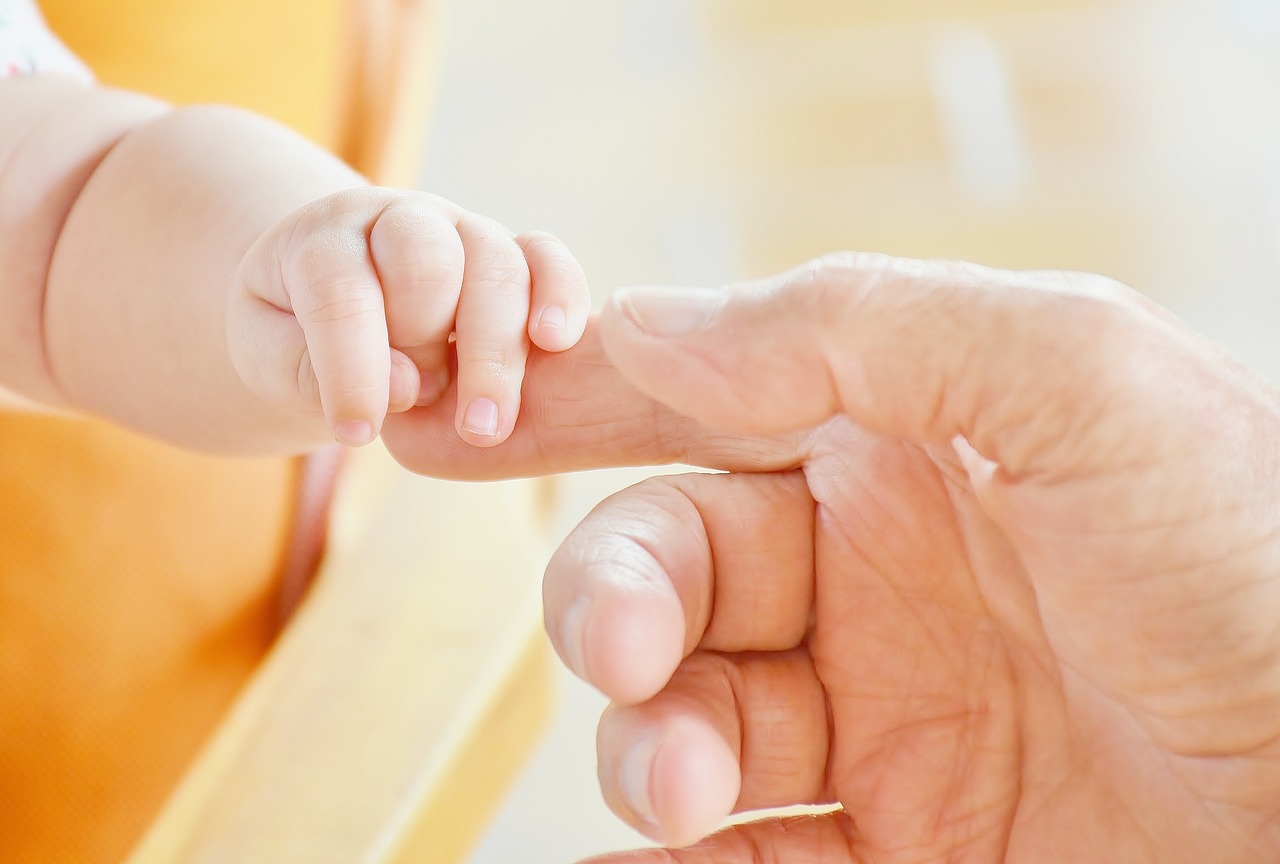
Parents
Amongst the many blessings Allah has endowed upon mankind, one is such which has no comparison, and that is the innate bond of family. The family system is one of the most important aspects of humanity, from there do we become civilised human beings, the correct nurture and guidance can make our future bright because of the delicate upbringing we received. If we study the biography of the life of Prophet s.a.w, we would understand what a collective man he was. He was a lover, an activist, a politician, a leader, a general and most importantly a man of God. He came with the objective to relay the message of truth to those who were misguided. Through his teachings on domestics we learn invaluable lessons regarding family and their treatment. Everyone is treated with care, love and respect. Islam endorses such teachings. Successful societies are built upon obedient communities, and communities are made up of families, and families are made up of individuals whom each and every one can make a difference for the wider community to further society.
The seed of Iman (faith) must be embedded in the child through words and actions that conform to your speech. Children are great impressionist of their parents, anything the parents do the child will follow. A child cannot imagine a world without their parents, they are the role models for their children through kindness and constant contact. The mothers lap is the first training school for her child. It is there that the child learns the principles of morality, character and living. This parental care will sow the righteousness within the child, helping the child in their future years to come.
The status Islam offers to parents is unmatched in any other religions as well as within Islam as far as individual rights are concerned. Allah extorts the believers in the Qur’an to supplicate for their parents by the virtue of this verse:
“And say: My lord! Show mercy to them as they have raised me when I was young.”
Parents are the protectors of their children who were vulnerable to the effects of the world. Ignorant and oblivious to the potential hazards of their surroundings. We were nurtured delicately and became strong over time, thanks to the nourishment our parents provided by working hard. As we went through the stages of growing, our parent’s security lessens on us, because we have started to adapt to the surroundings and the life of this world. The invaluable lessons and life skills we learnt from our parents starts to come into use now. Before we know it, we are adults now with plans for our life, whether it’s a career to pursue or a house to find. Life becomes fast paced now with our everyday mundane errands to keep us busy. But nonetheless, it has not sped up so fast that we forget our parents and their favours upon us. Once we were a child, and will always remain a child in the eyes of our parents. Becoming independent does not mean we forget about our parents, rather we should recall our past, remember the time and effort our parents bestowed upon us.
The erudite scholar Ibn Katheer r.a, reports that a person carried his mother on his back and performed Tawaf (circumambulation) of the Ka’bah. He informed prophet s.a.w about his action and inquired whether he had fulfilled the rights of his mother. Prophet s.a.w responded, “You have not even repaid her one breath.”
The insignificance of a single breath is a simile a likeness a description of our pitiful service to our parents, whereas their patience and endurance upon us is unmatched and can never be compensated. The Qur’an demands:
“The lord has ordained that you worship none but him; and to show kindness to your parents.” (Surah Bani Israeel 17-23)
In the following hadith Prophet s.a.w has even classified your parents to be your heaven or your hell. A person asked Prophet s.a.w:
“How much is the claim of parents on their children? Prophet s.a.w replied: ‘They are your heaven or your hell.” (Ibn Majah)
The hadith reflects the behaviour of a person who obeys his parents and attends to their needs and comforts, always keeping them satisfied. This person will accomplish paradise. The other person’s behaviour is rude and disobedient towards the parents. Is not considerate and has no regards for their feelings. His presence causes them grief. This person’s destination is hell. We understand from this hadith, that in obedience to parents a person will find paradise, and in their disobedience a person will be devoid of paradise.
The individual status of parents is also different because we know this from hadith. A sahabi r.a came and inquired:
“Who has the greatest claim on me with regard to service and kindly treatment?” the prophet s.a.w replied “Your mother, and again, your mother, and once again, your mother. After her, there is the claim of your father, and after it of your near relations, and, then of the relation who are next to them.” (Bukhari)
This narration is evidential as far as kindly treatment is concerned, mother is foremost in this right of treatment, three times more than the father. In terms of parental care the mother would also have been ahead of the father. A mother’s sacrifice is far more enduring, her love can never be compensated or replaced.
Condition of life is that death will always overwhelm it at its appointed time. Sometimes we do not have the affectionate sight and presence of one or both of our parents. We ask ourselves how we can repay our deceased parents back for their hardship-Alhamdulillah (praise to Allah), there is no need to be despondent or have regret. Islam is a complete religion-Prophet s.a.w has taught us what we can do for our deceased parents. Their rights do not come to an end after their demise, some of these are actually postponed until their departure from this world, and it is a religious obligation of dutiful children to fulfil them. Abu usaid sa’id r.a said:
“Once we were sitting with the Prophet s.a.w when a person belonging to the tribe of Bani Salimah came, and said to him. ‘O messenger of Allah! Are there some rights of my parents on me which I have to fulfil even after they have died?’, ‘Yes’ replied the Prophet s.a.w. ‘To pray for mercy and forgiveness on their behalf, to fulfil the promises they may have made to anyone, to pay due regard to the bonds of relationship that are from their side, and to be respectful to their friends.” (Abu Dawud and Ibn Majah)
“Whoever wishes to give comfort to his father in the grave should treat his father’s brothers kindly and well after death.” (Ibn Majah)
“An excellent way to serve ones father and show kindness to him, after his death, is that one should behave toward his friends with respect and politeness and discharge the claim of ones fathers affection and friendship.” (Muslim)
These ahadith have set the precedent of our repayment to our parents. Whoever follows these as his guidelines, then success is pending for this person. We can also derive that bond and relationship is a unique trait which Islam encourages. In the two narrations mentioned above, only the father’s brothers and friends have been stated, but as already specified before, the claim of mother is superior to the fathers. After their demise, they have equal claim upon their children supplicating for them and maintaining kinship on their behalf.
For some people there can be intense regret after the passing of their parents. When their parents were alive they did not care for them, they were disobedient and rude to them. As the famous saying goes “you don’t appreciate a thing after you’ve lost it.” After them passing away only then do we realise our lost which is irreplaceable. Now we seek closure. In the following hadith Prophet s.a.w refers to those children who were rude and neglectful to their parents during there lifetime.
“It, also, happens, (sometimes), that the parents of a person or one of them dies and he has been disobedient to them, in their lifetime, and incurred their displeasure. But, after their death he prays to Allah, to have mercy on them and forgive them their sins, (through this he tries to make amends for his impudence for his past behaviour) and Allah thereupon, declares the disobedient child obedient, (and by this, he is saved from punishment for being rude to his parents). (Bayhaqi)
In the service of our parents holds a virtue of the highest order and this becomes an atonement even for major sins. We are their last hope of further reward and honour in this world as well in the hereafter, while we live and perform good deeds, they too earn the same reward. To further accelerate their reward we can give charity, recite the Qur’an, do istighfar (ask for forgiveness) and tasbeehat (glorify Allah) on their behalf, intending that this action you performed was for yourself as well as for them. Equal reward will be given without diminishing anyone’s. This brings the doer twofold reward. The actual conveying of the reward to the deceased and the other for showing sympathy to a Muslim soul.
The affectionate sight of our parents is restricted by time, either we can pass before them, or they pass before us, therefore whatever time is left, cherish every moment. Under the feet of our mother lies our heaven, her happiness and pleasure upon us can give us a high station which can dissolve our major sins, and maybe through this Allah will award us Jannah. The father is the protector and the breadwinner, through his sacrifice did we become strong and learn invaluable lessons. He is the entrance to our Jannah, in his pleasure will the door open. Even if our parents are non-Muslims they too deserve the same compassionate feelings of their child. Islam does not make them socially pariah from their children, but reminds the children they too have to fulfil the rights of their non-Muslim parents as long as they don’t call them towards disbelief.
Allah is our Benefactor.